
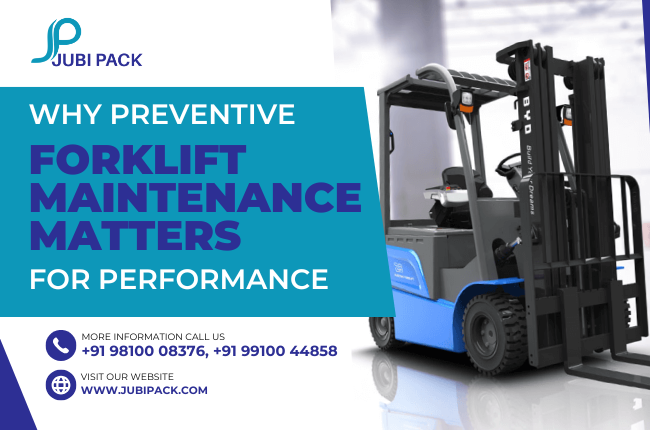
Why Preventive Maintenance Is Important For Forklifts
Forklifts are among the most essential pieces of material handling equipment used in warehouses, manufacturing plants, logistics centers, and industrial facilities. They help businesses move heavy loads efficiently, improve productivity, and streamline daily operations. However, like any industrial machine, forklifts require regular care and attention to perform at their best.
Many businesses focus on operating forklifts continuously but often overlook the importance of preventive forklift maintenance. Waiting until equipment breaks down can result in costly repairs, operational disruptions, safety risks, and reduced productivity. Preventive forklift maintenance is a proactive approach that ensures forklifts remain reliable, safe, and efficient throughout their operational lifespan.
This article explains why forklift servicing is important, the benefits of preventive maintenance, and how regular inspections can help businesses reduce costs and improve warehouse operations.
What Is Preventive Forklift Maintenance?
Preventive forklift maintenance refers to scheduled inspections, servicing, adjustments, and component replacements performed before equipment failures occur. Instead of reacting to breakdowns, businesses follow a planned maintenance schedule to identify and address potential issues early.
Regular forklift servicing typically includes:
- Battery inspections
- Tire condition checks
- Hydraulic system maintenance
- Brake inspections
- Fluid level monitoring
- Electrical system testing
- Fork and mast inspections
- Lubrication of moving parts
These maintenance activities help ensure forklifts remain in optimal working condition while minimizing the risk of unexpected failures.
Reduces Unexpected Downtime
One of the biggest advantages of preventive forklift maintenance is reducing unplanned downtime.
When a forklift breaks down unexpectedly, warehouse operations can come to a standstill. Delayed shipments, interrupted workflows, and reduced productivity can affect customer satisfaction and overall business performance.
Regular forklift servicing helps identify worn components, loose connections, damaged parts, and performance issues before they cause major failures. This proactive approach keeps forklifts available for daily operations and minimizes disruptions.
Businesses that implement preventive maintenance programs experience fewer breakdowns and more consistent operational performance.
Improves Workplace Safety
Forklift safety is a critical concern in every warehouse and industrial environment.
Faulty brakes, damaged tires, hydraulic leaks, steering problems, and malfunctioning warning systems can significantly increase the risk of workplace accidents. Equipment failures can result in injuries, product damage, and costly operational interruptions.
Preventive forklift maintenance ensures all safety-related components are inspected and functioning correctly. Regular servicing helps operators identify potential hazards before they become dangerous.
Safe forklifts contribute to:
- Reduced workplace accidents
- Improved operator confidence
- Better equipment reliability
- Enhanced warehouse safety standards
- Lower liability risks
Maintaining forklift safety should always be a top priority for every business.
Extends Equipment Lifespan
Forklifts represent a significant investment for businesses. Proper maintenance protects that investment and extends equipment lifespan.
Without regular servicing, components experience excessive wear and tear. Small issues that go unnoticed can eventually cause major mechanical failures, reducing the overall lifespan of the forklift.
Preventive maintenance keeps critical systems functioning efficiently and helps avoid premature equipment replacement.
Regular inspections and servicing allow forklifts to operate effectively for many years while maintaining consistent performance levels.
Companies that invest in preventive maintenance often achieve a higher return on investment from their forklift fleet.
Reduces Repair Costs
Emergency forklift repairs are typically more expensive than scheduled maintenance.
When businesses ignore routine servicing, minor problems can develop into major mechanical failures requiring costly repairs or component replacements. In some cases, neglected maintenance can result in complete system breakdowns.
Preventive forklift maintenance helps identify and resolve issues while they are still small and inexpensive to fix.
Examples include:
- Replacing worn tires before damage worsens
- Tightening loose electrical connections
- Repairing minor hydraulic leaks
- Changing worn brake components
Addressing these issues early helps businesses avoid expensive repair bills and unexpected maintenance costs.
Improves Operational Efficiency
Efficient forklifts contribute directly to warehouse productivity.
A poorly maintained forklift may experience reduced lifting performance, slower movement, decreased battery efficiency, or inconsistent handling. These problems can slow down operations and increase labor requirements.
Regular forklift servicing ensures equipment performs at peak efficiency by maintaining optimal operating conditions.
Benefits include:
- Faster material handling
- Improved load management
- Consistent lifting performance
- Better energy efficiency
- Increased productivity
Well-maintained forklifts help warehouse teams complete tasks more efficiently while minimizing operational delays.
Enhances Battery Performance
For businesses using electric forklifts and lithium battery forklifts, battery maintenance plays a critical role in overall performance.
Battery-related issues can reduce operating hours, increase charging times, and affect equipment reliability. Proper maintenance ensures batteries remain in good condition and deliver consistent power throughout the workday.
Preventive maintenance includes:
- Battery cleaning
- Terminal inspections
- Voltage checks
- Charger inspections
- Battery performance testing
Lithium battery forklifts generally require less maintenance than traditional battery systems, but regular inspections remain essential for long-term reliability.
Maintaining battery health improves productivity and reduces replacement costs.
Supports Regulatory Compliance
Many industries must comply with workplace safety regulations and equipment maintenance standards.
Regular forklift servicing helps businesses meet these requirements by ensuring equipment remains safe and operational. Maintenance records also provide documentation that demonstrates compliance during inspections or audits.
Preventive maintenance programs help organizations:
- Meet safety standards
- Pass inspections
- Reduce legal risks
- Maintain operational certifications
- Improve workplace accountability
Compliance is easier to achieve when maintenance schedules are followed consistently.
Protects Inventory and Warehouse Infrastructure
Forklift failures can cause more than equipment damage. They can also damage inventory, storage systems, warehouse floors, and loading docks.
A malfunctioning forklift may drop loads, collide with racking systems, or damage products during transportation.
Preventive maintenance reduces these risks by ensuring forklifts operate safely and accurately.
Benefits include:
- Reduced inventory damage
- Lower replacement costs
- Better warehouse organization
- Improved material handling accuracy
- Enhanced operational reliability
Protecting inventory is just as important as protecting equipment.
Key Components That Require Regular Inspection
A comprehensive preventive forklift maintenance program should include regular inspections of:
Tires
Check for wear, damage, and proper inflation to maintain stability and traction.
Brakes
Ensure stopping systems operate safely and effectively.
Hydraulic System
Inspect hoses, cylinders, and fluid levels for leaks and performance issues.
Forks and Mast
Check for cracks, bending, and structural damage.
Battery System
Inspect charging equipment, terminals, and battery condition.
Electrical Components
Test lights, alarms, sensors, and wiring connections.
Steering System
Ensure smooth handling and safe maneuverability.
Routine inspections help identify problems early and maintain optimal forklift performance.
Creating a Preventive Maintenance Schedule
An effective maintenance schedule depends on:
- Equipment age
- Usage frequency
- Operating environment
- Manufacturer recommendations
- Fleet size
Most businesses benefit from daily operator inspections combined with scheduled professional servicing.
Maintenance schedules should include:
- Daily checks
- Weekly inspections
- Monthly servicing
- Quarterly evaluations
- Annual comprehensive inspections
Consistent maintenance planning helps maximize equipment reliability and efficiency.
Conclusion
Preventive forklift maintenance is one of the most valuable investments a business can make to protect equipment, improve safety, and reduce operational costs. Regular forklift servicing helps identify issues before they become serious problems, minimizing downtime and extending equipment lifespan.
By maintaining forklifts properly, businesses can improve productivity, enhance workplace safety, reduce repair expenses, and ensure smooth warehouse operations. Whether operating electric forklifts, lithium battery forklifts, or heavy-duty industrial forklifts, a proactive maintenance strategy delivers long-term benefits.
At JubiPack Spares, we understand the importance of reliable material handling equipment. Regular preventive maintenance not only keeps forklifts performing at their best but also supports safer, more efficient, and more profitable warehouse operations.