
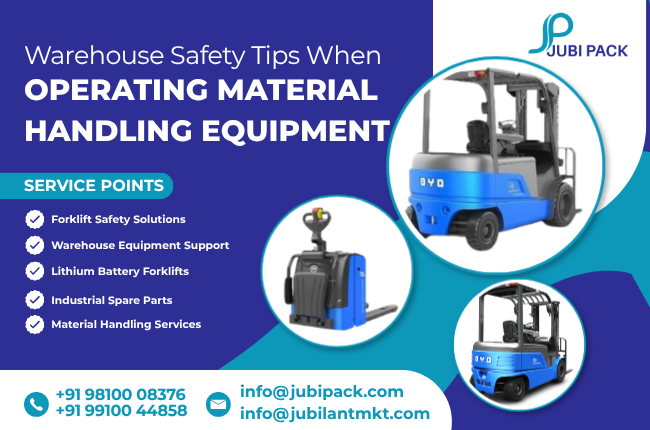
Warehouse Safety Tips When Operating Material Handling Equipment
Warehouse operations play a crucial role in modern industries, especially in manufacturing, logistics, retail, and distribution sectors. As warehouses continue to expand and adopt advanced material handling equipment, maintaining workplace safety becomes more important than ever. Forklifts, pallet trucks, stackers, reach trucks, conveyors, and other industrial equipment help improve productivity, but improper handling can lead to serious workplace accidents, equipment damage, and operational downtime.
Implementing effective warehouse safety practices not only protects employees but also improves operational efficiency and reduces unnecessary expenses. Businesses that prioritize warehouse safety create a more productive and organized working environment while maintaining compliance with industrial safety standards.
This article highlights essential warehouse safety tips for operating material handling equipment safely and efficiently.
Understanding the Importance of Warehouse Safety
Warehouses are high-activity environments where workers, equipment, inventory, and vehicles operate simultaneously. Without proper safety measures, warehouses can become accident-prone workplaces. Common warehouse accidents include forklift collisions, falling materials, improper lifting injuries, battery handling incidents, and equipment malfunctions.
Strong warehouse safety procedures help businesses:
- Reduce workplace accidents
- Improve employee confidence
- Prevent inventory damage
- Lower maintenance costs
- Increase productivity
- Ensure smooth warehouse operations
- Maintain legal and safety compliance
A safe warehouse environment also helps companies avoid operational disruptions caused by injuries or equipment breakdowns.
Proper Training for Equipment Operators
One of the most important warehouse safety practices is proper operator training. Employees operating forklifts and other material handling equipment should receive professional training before using machinery.
Training programs should include:
- Equipment operating procedures
- Load handling techniques
- Emergency safety measures
- Battery charging safety
- Daily inspection routines
- Safe driving practices
- Warehouse traffic rules
Only trained and authorized personnel should operate industrial equipment. Untrained operators increase the risk of accidents, equipment misuse, and costly warehouse damage.
Conduct Daily Equipment Inspections
Regular equipment inspections are essential for maintaining forklift safety and overall warehouse safety. Operators should inspect material handling equipment before every shift to identify potential problems.
Daily inspection checklists should include:
- Tire condition
- Brake functionality
- Steering response
- Hydraulic systems
- Fork condition
- Battery connections
- Warning lights
- Safety alarms
- Fluid leaks
Identifying issues early helps prevent unexpected breakdowns and reduces workplace hazards.
Maintain Clear Warehouse Pathways
Warehouse pathways should remain clean, organized, and obstruction-free at all times. Cluttered aisles increase the chances of collisions, slips, and operational delays.
Important warehouse pathway safety measures include:
- Marking pedestrian walkways
- Using floor safety signs
- Maintaining proper lighting
- Keeping emergency exits clear
- Avoiding loose materials on floors
- Separating equipment traffic from walking areas
Proper warehouse layout planning improves both safety and operational efficiency.
Follow Safe Forklift Operating Practices
Forklifts are among the most commonly used material handling equipment in warehouses. However, they are also responsible for many warehouse accidents when operated carelessly.
Essential forklift safety practices include:
- Never exceeding load capacity
- Driving at controlled speeds
- Keeping loads stable and balanced
- Avoiding sharp turns
- Using horns at intersections
- Lowering forks when parked
- Wearing seat belts
- Maintaining visibility while driving
Operators should avoid distractions such as mobile phone usage while operating forklifts.
Use Proper Personal Protective Equipment (PPE)
Personal protective equipment plays a major role in industrial workplace safety. Warehouse workers should wear appropriate PPE based on operational requirements.
Common PPE includes:
- Safety helmets
- Reflective jackets
- Safety shoes
- Gloves
- Eye protection
- Hearing protection
Using PPE minimizes the risk of injuries caused by falling materials, equipment movement, and warehouse operations.
Ensure Proper Load Handling
Improper load handling is one of the leading causes of warehouse accidents and equipment damage. Employees should follow safe material handling techniques to avoid injuries and inventory losses.
Safe load handling practices include:
- Distributing weight evenly
- Securing unstable loads
- Avoiding overloading equipment
- Using proper lifting attachments
- Checking pallet condition before lifting
- Keeping loads low during transportation
Operators should also avoid carrying loads that block their visibility.
Battery Safety for Electric Equipment
Modern warehouses increasingly use lithium battery forklifts and electric pallet trucks because of their efficiency and environmental benefits. However, battery handling requires strict safety measures.
Battery safety tips include:
- Charging batteries in ventilated areas
- Avoiding overcharging
- Inspecting cables regularly
- Keeping charging stations clean
- Wearing protective gloves
- Following manufacturer charging guidelines
Proper battery maintenance improves equipment lifespan and workplace safety.
Implement Warehouse Traffic Management
Busy warehouses require organized traffic management systems to prevent collisions between workers and equipment.
Warehouse traffic safety strategies include:
- Creating one-way traffic routes
- Installing safety mirrors
- Using warning alarms
- Applying floor markings
- Limiting speed zones
- Restricting unauthorized access
Effective traffic management reduces accidents and improves warehouse workflow.
Schedule Preventive Equipment Maintenance
Preventive maintenance helps warehouses avoid sudden equipment failures and safety hazards. Regular servicing ensures forklifts and material handling equipment operate efficiently.
Preventive maintenance tasks include:
- Lubrication checks
- Battery inspections
- Brake testing
- Hydraulic maintenance
- Tire replacement
- Electrical system inspections
Well-maintained equipment reduces operational downtime and repair costs.
Improve Warehouse Lighting and Ventilation
Good warehouse lighting improves visibility and reduces accident risks. Poorly lit warehouses increase the chances of collisions, misplaced inventory, and operational errors.
Warehouses should ensure:
- Bright aisle lighting
- Emergency lighting systems
- Proper ventilation
- Clean air circulation
- Reduced dust accumulation
A comfortable and visible workspace improves employee performance and safety.
Emergency Preparedness and Safety Procedures
Every warehouse should have emergency safety plans in place. Employees should know how to respond during fires, battery leaks, equipment failures, or workplace injuries.
Emergency preparedness should include:
- Fire extinguishers
- Emergency exit signage
- First aid kits
- Safety drills
- Evacuation plans
- Emergency contact information
Quick response systems help minimize damage during emergencies.
Promote a Safety-First Workplace Culture
Warehouse safety is not just about equipment and rules. Businesses should encourage employees to actively participate in maintaining a safe workplace.
Companies can improve safety culture by:
- Conducting regular safety meetings
- Encouraging hazard reporting
- Providing ongoing training
- Rewarding safe practices
- Updating safety policies regularly
A strong safety culture increases employee awareness and reduces operational risks.
Conclusion
Warehouse safety is essential for maintaining smooth industrial operations and protecting employees, inventory, and equipment. Proper training, equipment inspections, preventive maintenance, safe forklift operation, and organized warehouse management significantly reduce workplace accidents and operational downtime.
As warehouses continue adopting advanced material handling equipment and lithium battery forklifts, implementing modern safety practices becomes even more important. Businesses that prioritize warehouse safety benefit from improved productivity, reduced costs, and a safer working environment.
JubiPack Spares continues supporting industries with reliable material handling equipment, forklift solutions, warehouse equipment, and industrial safety-focused products designed for modern warehouse operations.